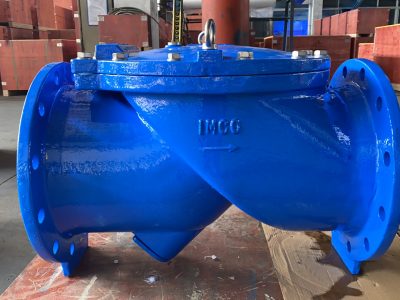
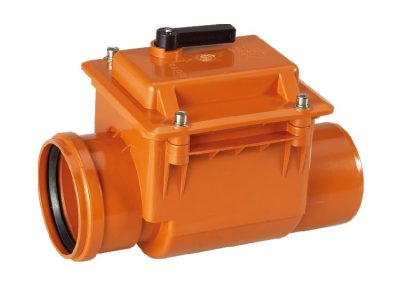
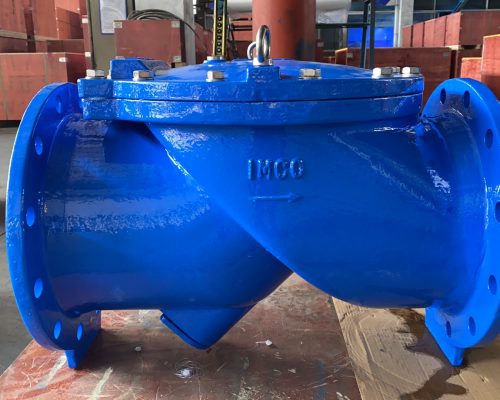
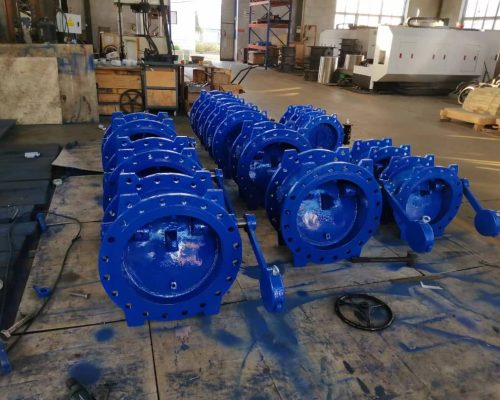
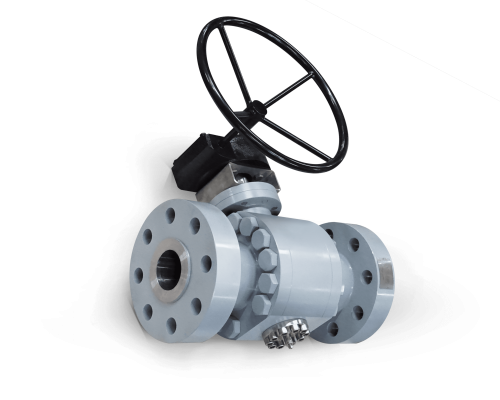
A check valve is a crucial component that allows the flow of liquids and gases in one direction while preventing backflow. This helps protect upstream systems from contamination, equipment damage, inefficiencies, and increased maintenance costs. Commonly used in plumbing and industrial systems, check valves ensure smooth operation by requiring a minimum pressure difference, known as cracking pressure, to open and allow flow. The required cracking pressure varies based on the valve’s design and size, making it essential to match the valve with system specifications.
Key Applications of Check Valves
1. Protecting Equipment Check valves safeguard meters, compressors, pumps, and other unidirectional flow devices from damage caused by backflow and water hammer effects.
2. Preventing Contamination By stopping reverse flow, check valves prevent media from mixing, such as in water treatment plants where treated water must not re-enter untreated reservoirs.
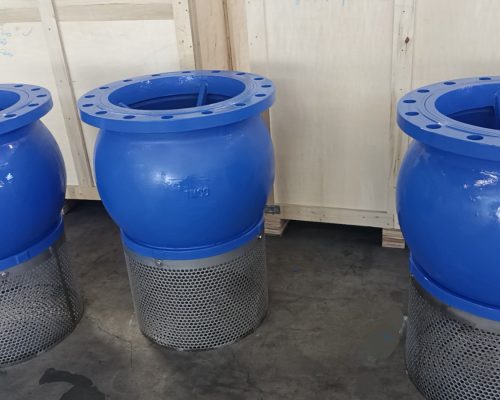
3. Avoiding Drainage In pumping systems, check valves like foot valves prevent reverse flow when the pump stops, ensuring uninterrupted operation.
Types of Check Valves
1. Swing Check Valves Featuring a hinged disc that opens with sufficient flow pressure and closes during backflow, these valves are widely used in water distribution systems.
2. Tilting Disc Check Valves Designed with a double-eccentric disc, these valves are ideal for large-diameter flows but are unsuitable for wastewater systems due to debris accumulation.
3. Ball Check Valves Utilizing a ball as the closing mechanism, these valves allow free flow when open and seal tightly when pressure drops. They are highly effective for sewage applications.
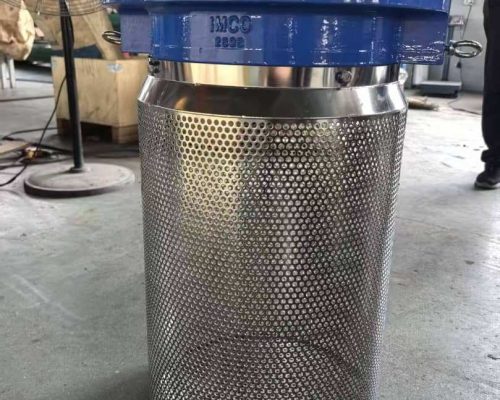
4. Foot Valves Installed in pump suction lines, foot valves prevent drainage when the pump stops. They often include a debris-filtering screen and require vertical installation.
5. Axial Silent Check Valves Equipped with a spring-assisted closing mechanism, these valves prevent reverse pump rotation, protecting the system from damage.