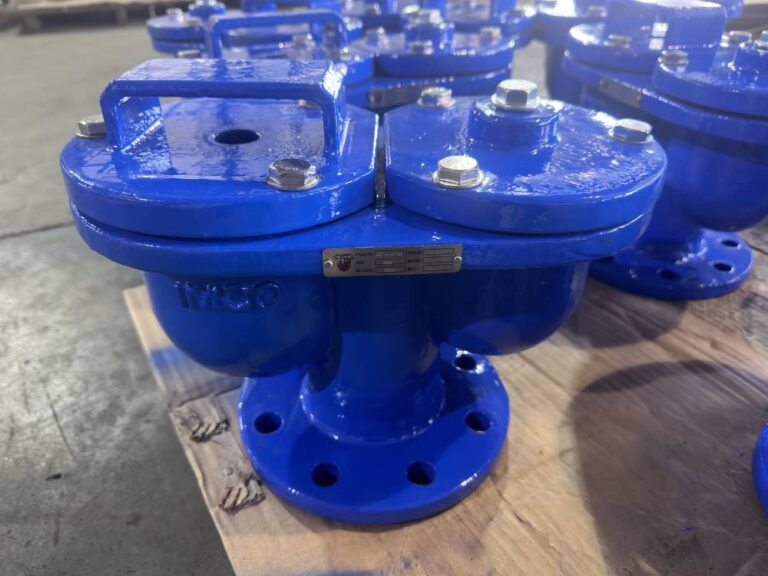
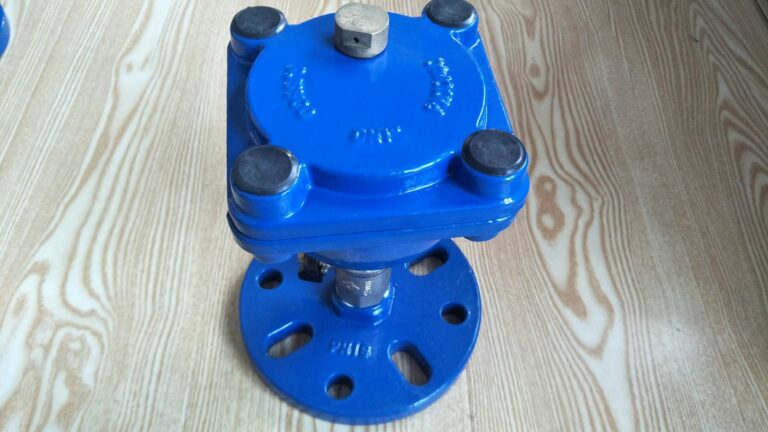
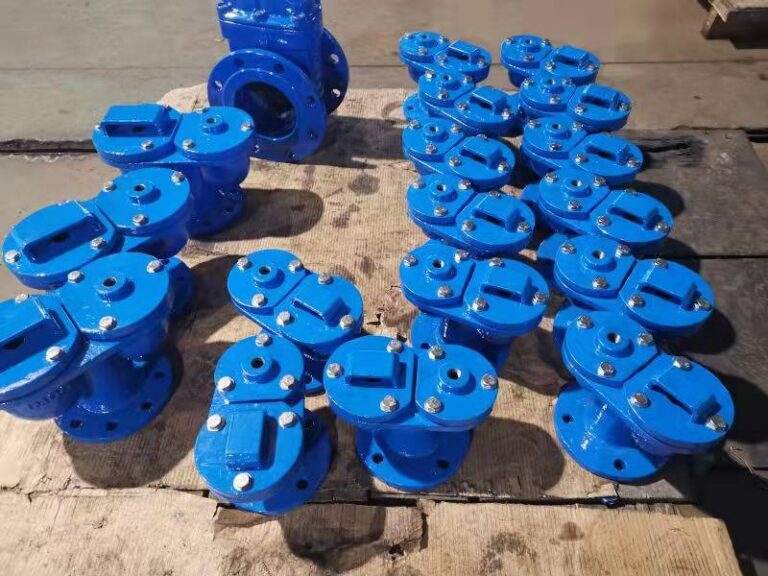
Air valves are designed for automatic operation, offering a combination of air release, vacuum prevention, and optional surge alleviation mechanisms. They are available in both flanged and threaded configurations, catering to different pipeline requirements. Constructed from durable materials such as ductile iron or reinforced polyamide, these valves ensure long-lasting performance and reliability. Their fully automated functionality allows for efficient venting, preventing air accumulation and maintaining optimal pipeline efficiency.
Maintenance & Installation Guidelines
Ensure the valve stem rotates smoothly.
Verify that the valve specifications match the requirements stated on the label.
Clean the inner cavity and sealing surface to remove any dirt.
Ensure all connecting bolts are evenly tightened.
The valve should be installed on a horizontal pipeline with the stem in a vertical position and the handwheel on top.
Alternatively, it can be installed in any direction, but the stem should remain in a horizontal position.
Position the valve to allow easy access for operation, maintenance, and replacement.
Storage & Operational Guidelines
The valve must be fully opened or fully closed; partial opening is not recommended as it may damage the sealing surface due to high flow rates.
Operate the valve using the handwheel only—do not use auxiliary levers or tools larger than the handwheel’s diameter.
When lifting the valve, avoid tying the sling to the handwheel or stem.